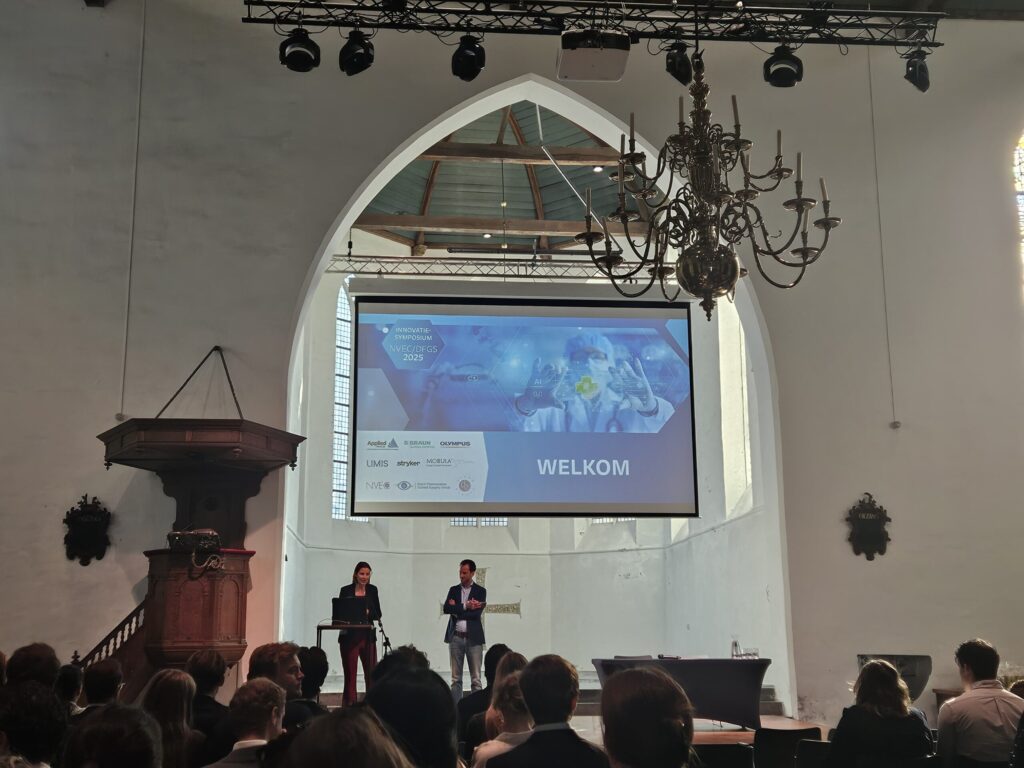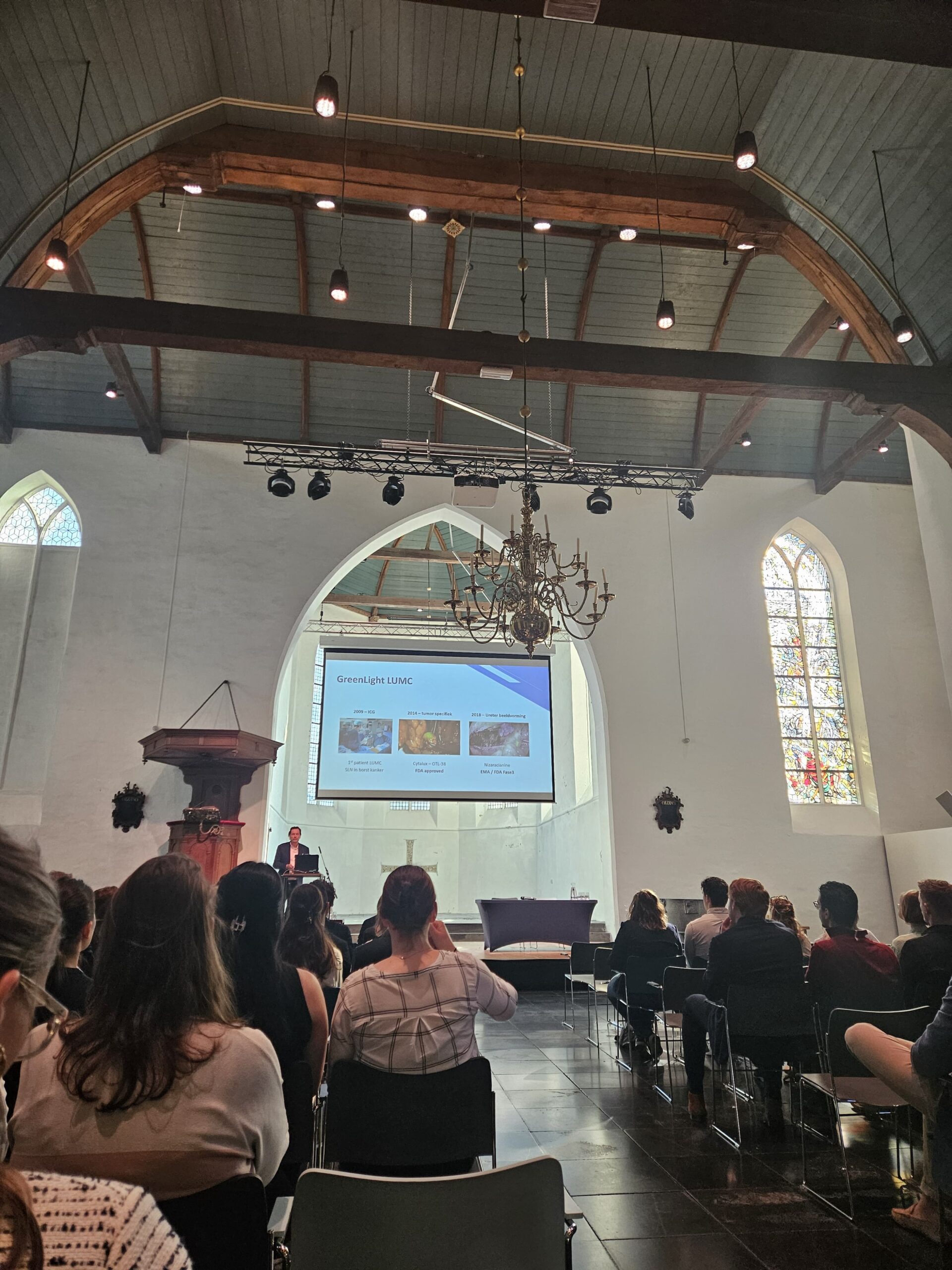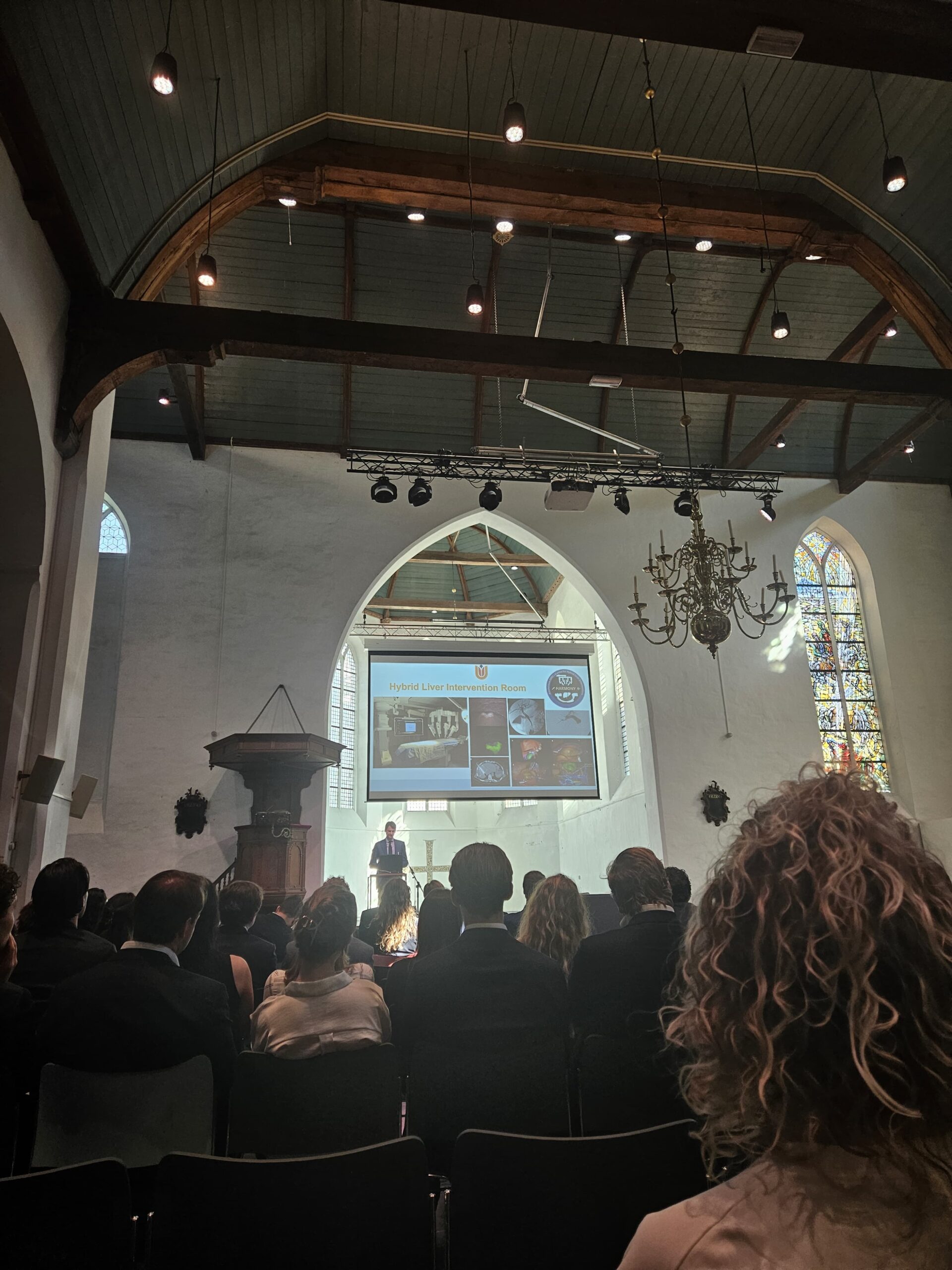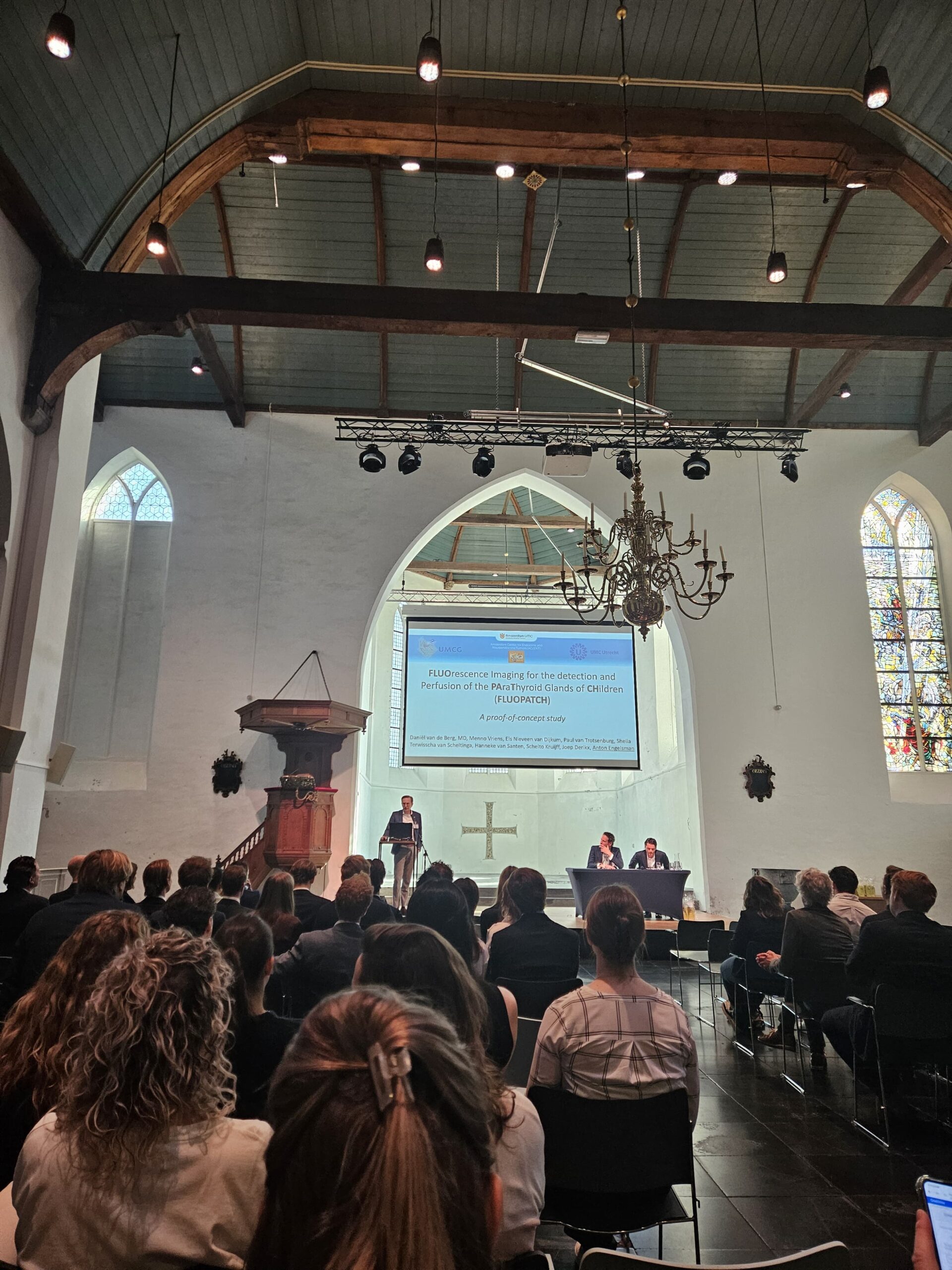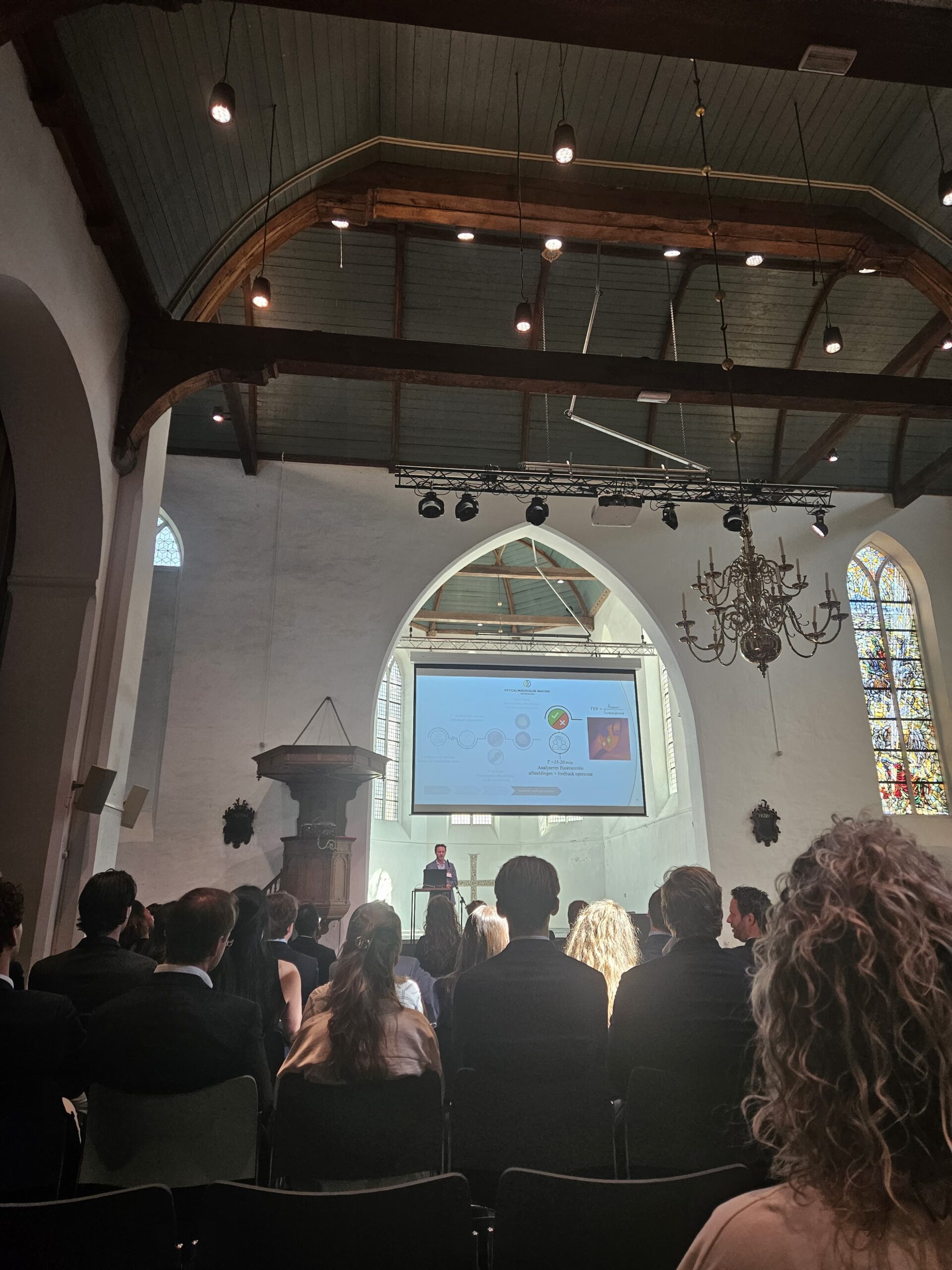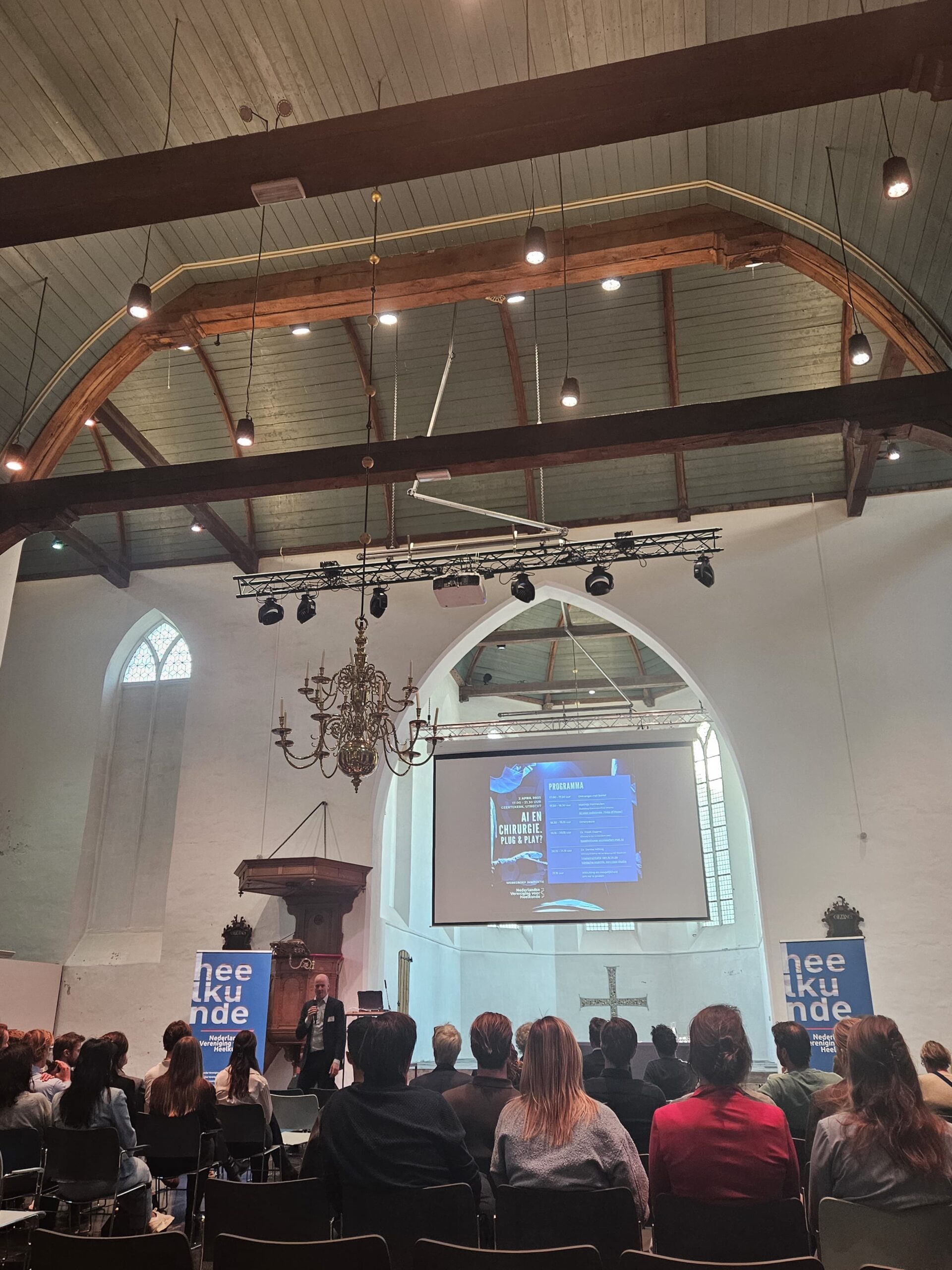
At the 2025 joint symposium of NVEC and DFGS, leading Dutch experts shared how fluorescence imaging is expanding its role in surgical practice. From its clinical value in visualizing anatomical structures, tissue perfusion and tumour imaging to its impact on sustainability and cost reduction, fluorescence is rapidly transitioning from innovation to implementation.
In this blog, we highlight key takeaways from the symposium — and explore how this powerful technology is reshaping precision surgery in the Netherlands and beyond.
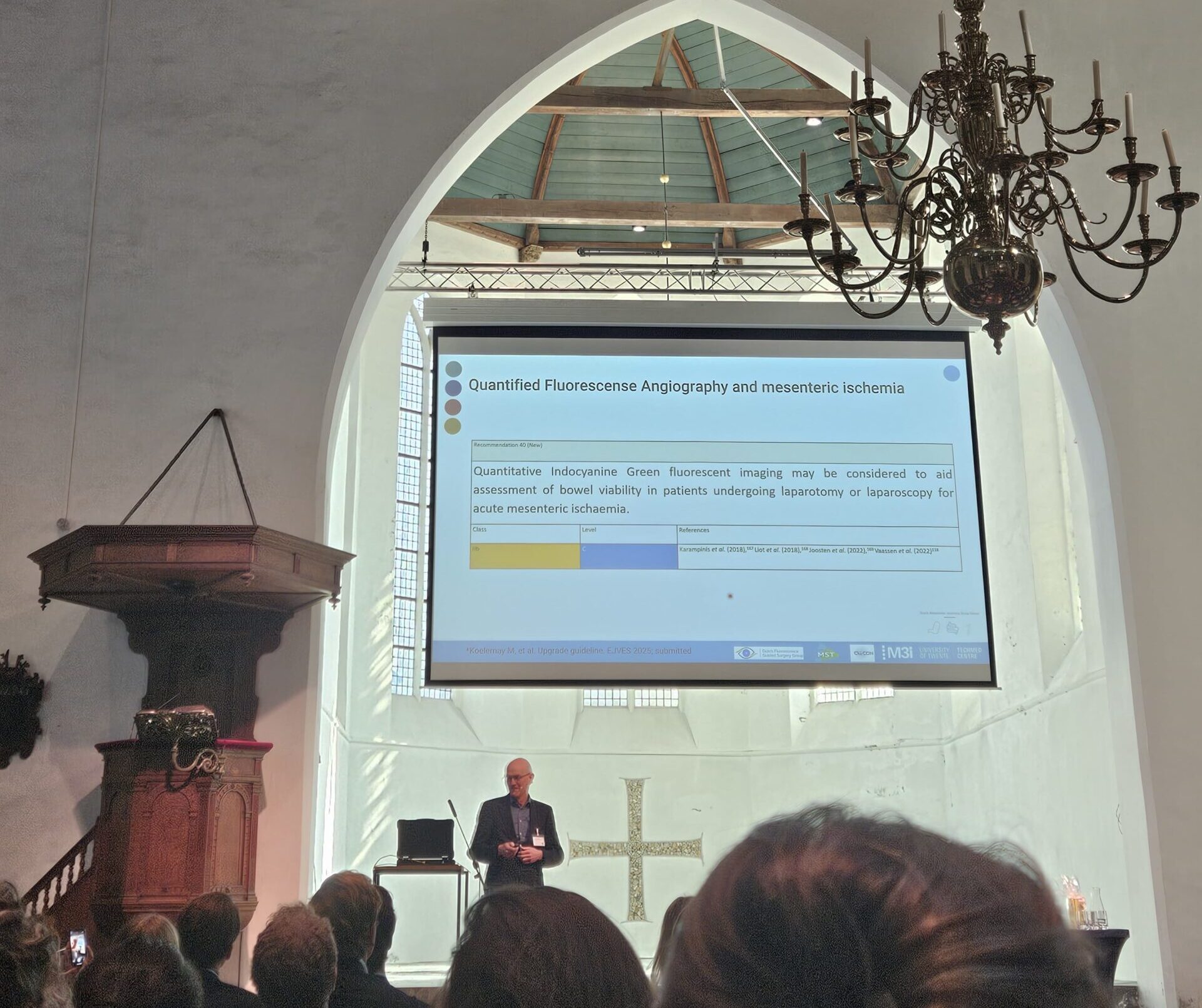
A central theme throughout the symposium was the growing use of Indocyanine Green (ICG) across a wide range of surgical procedures. ICG is increasingly moving towards becoming a guideline-worthy tool in surgery — particularly for sentinel lymph node biopsy (SLNB) in breast cancer and ICG angiography in (acute) mesenteric ischaemia.
Speaker after speaker confirmed what many are already seeing in practice: fluorescence imaging is widely applicable, intuitive to use, and has a positive impact on patient care.
Another key takeaway from the symposium: ICG does more than support clinical decision-making — it also offers economic and environmental advantages.
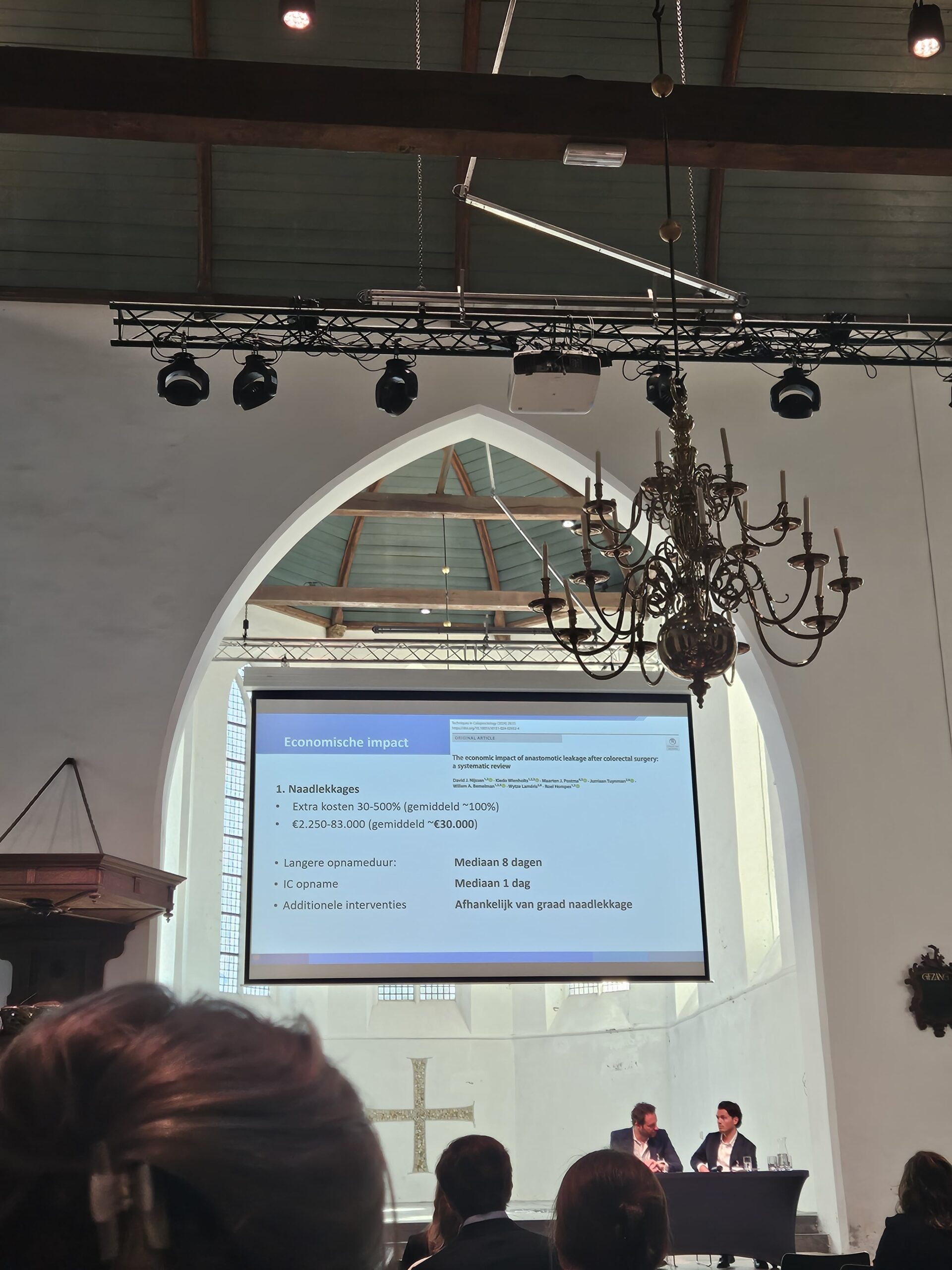
In the Netherlands alone, an estimated 235 anastomotic leaks could be prevented annually through the use of ICG. This translates into average savings of around €30,000 per patient, thanks to reduced ICU stays, fewer reinterventions and shorter hospital admissions.
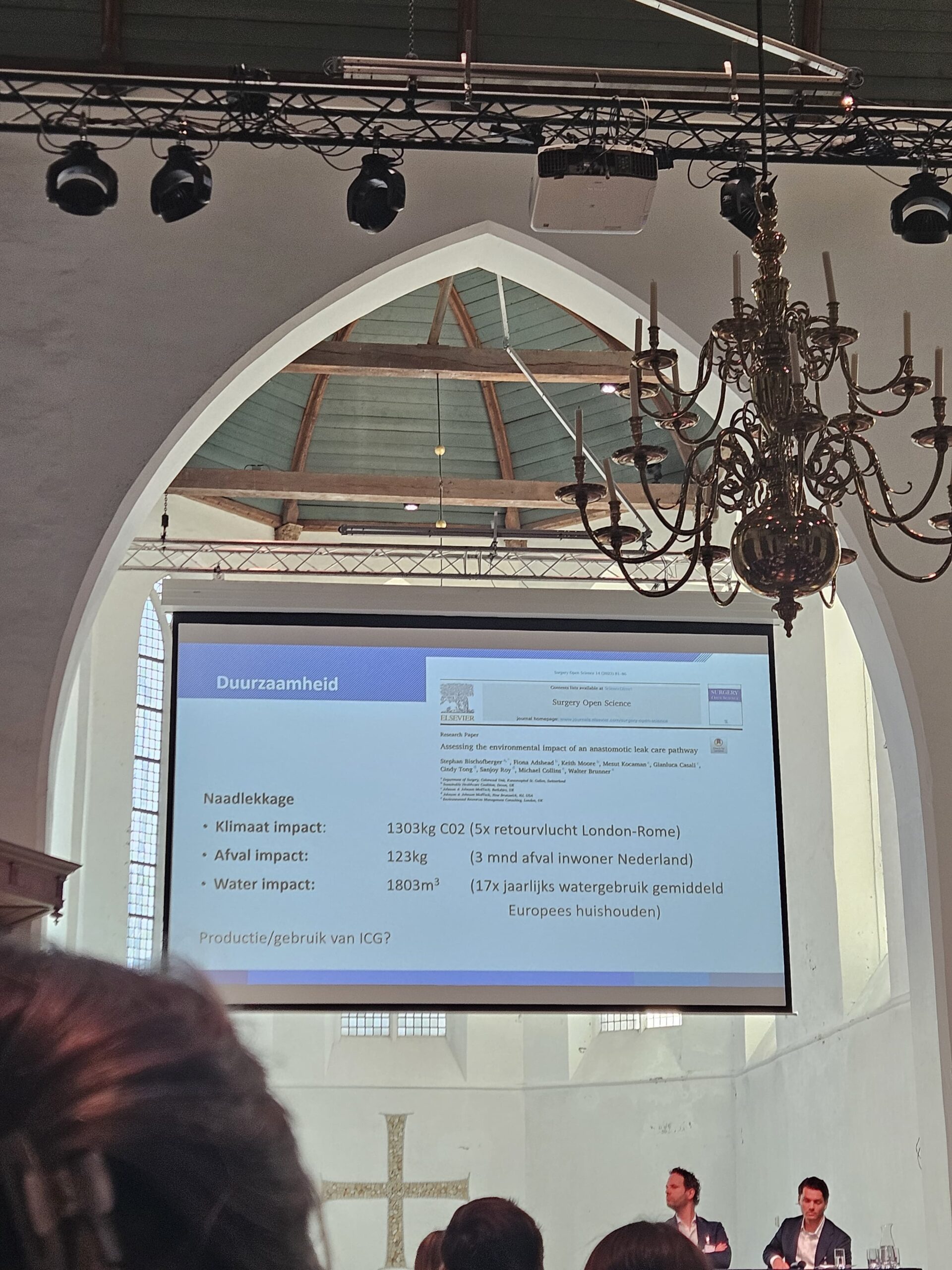
The environmental savings are equally striking. A single anastomotic leak is associated with:
With ICG, we’re not only improving outcomes — we’re also helping create a more sustainable healthcare system. And the impact doesn’t stop at bowel surgery: similar gains can be seen in amputation procedures and sentinel node biopsies.
In addition to well-established indications, the symposium also highlighted new and emerging domains for fluorescence imaging:
The technology is here. The first successes are clear. Now is the time to scale up the use of fluorescence imaging — and that requires:
At Mobula, we support hospitals, training centres and distributors with a structured implementation workflow and practical tools to integrate ICG successfully and responsibly.
The NVEC & DFGS Symposium showed just how powerful innovation can be when science, clinical practice and industry work together.
Are you ready to explore how fluorescence can benefit your team or hospital?
👉 Explore Mobula Academy training programme, or get in touch for tailored support.
Keep an eye on our website and LinkedIn to stay up to date about these exciting insights and innovations!