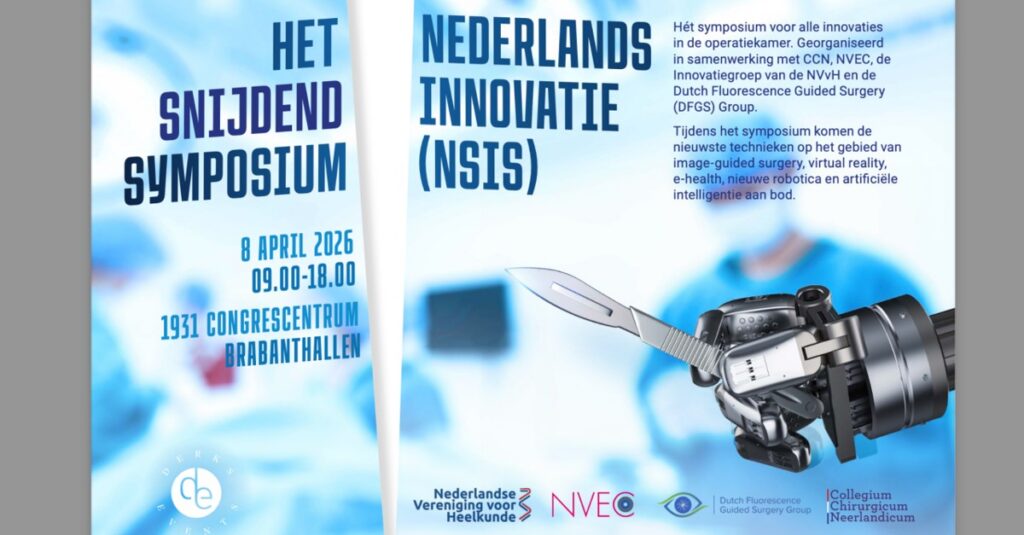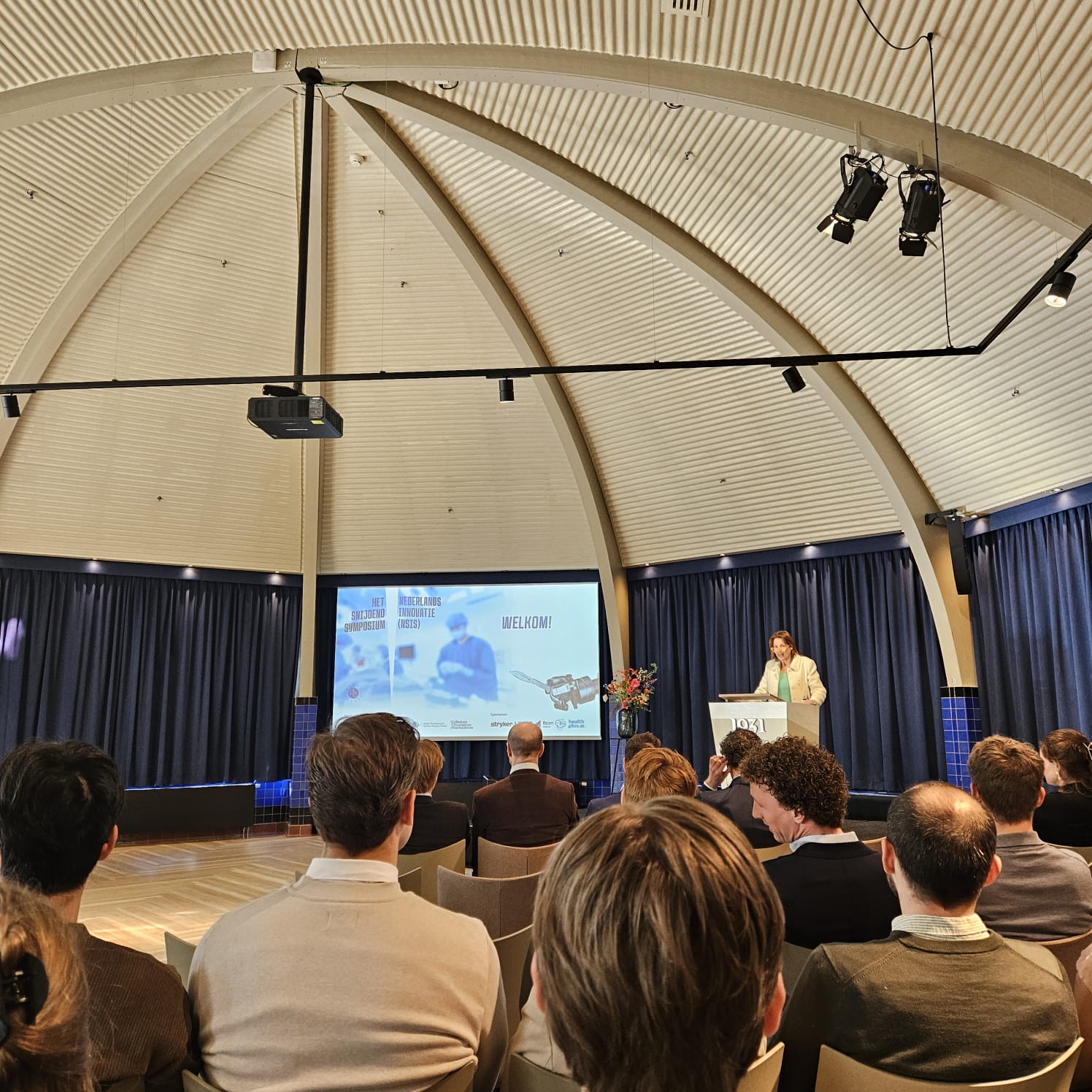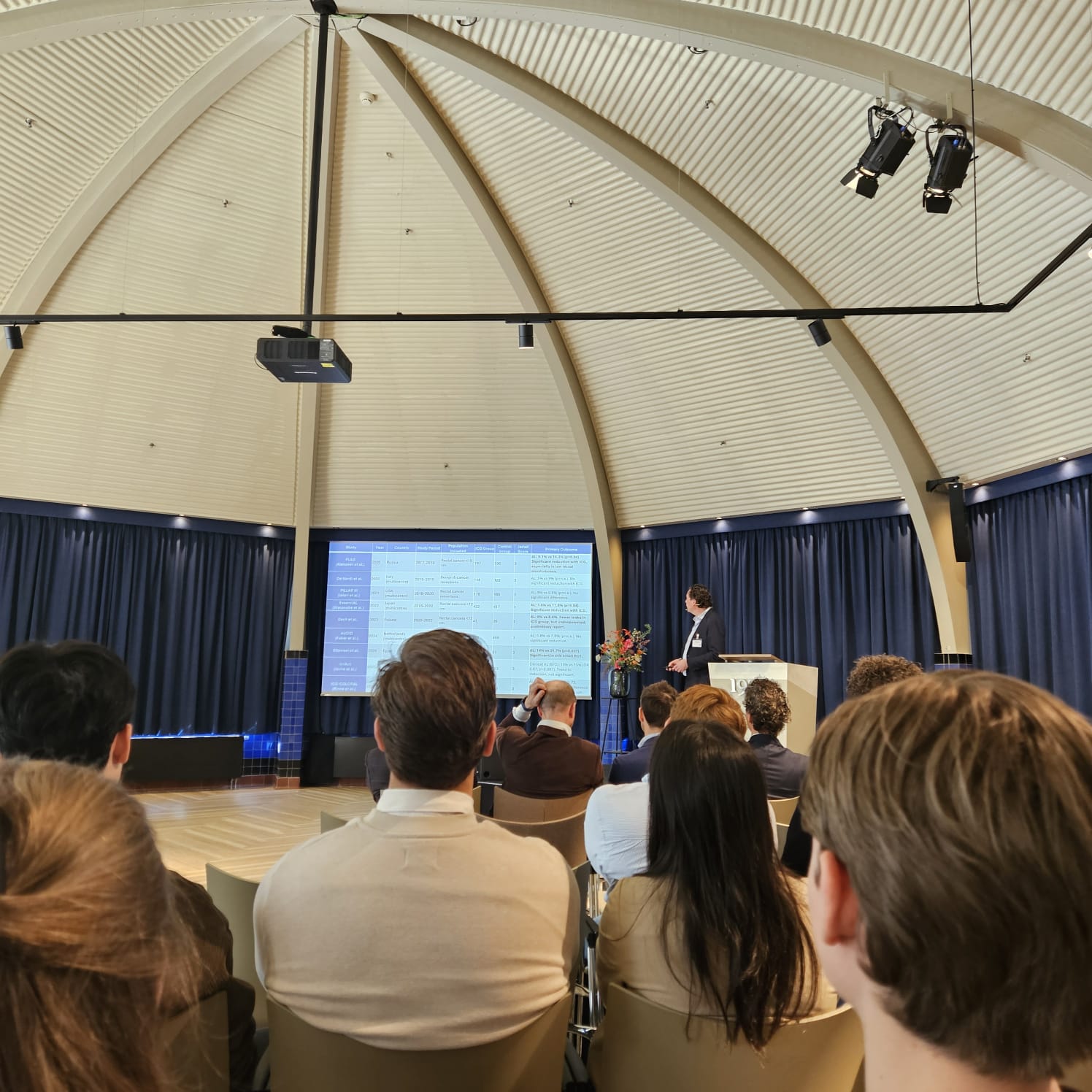
Last week, we attended the Dutch Surgical Innovation Symposium (NSIS) — a valuable day dedicated to innovation in surgery. It was also a pleasure to reconnect with familiar faces and engage with peers and partners from across the surgical community.
The program covered a broad spectrum of topics, ranging from circular medical devices in the operating room to telescopy, with a strong emphasis on fluorescence-guided surgery and its continued clinical adoption.
One of the key themes emerging throughout the symposium was the growing shift toward multimodal imaging. Rather than relying on a single imaging technique, there is increasing recognition that each modality provides complementary information.
By combining multiple imaging approaches, clinicians can obtain a more complete understanding of anatomy, perfusion, and function — ultimately supporting more informed intraoperative decision-making. This reinforces the importance of integrating diverse imaging readouts in the operating room, where no single technique can capture all relevant biological information.
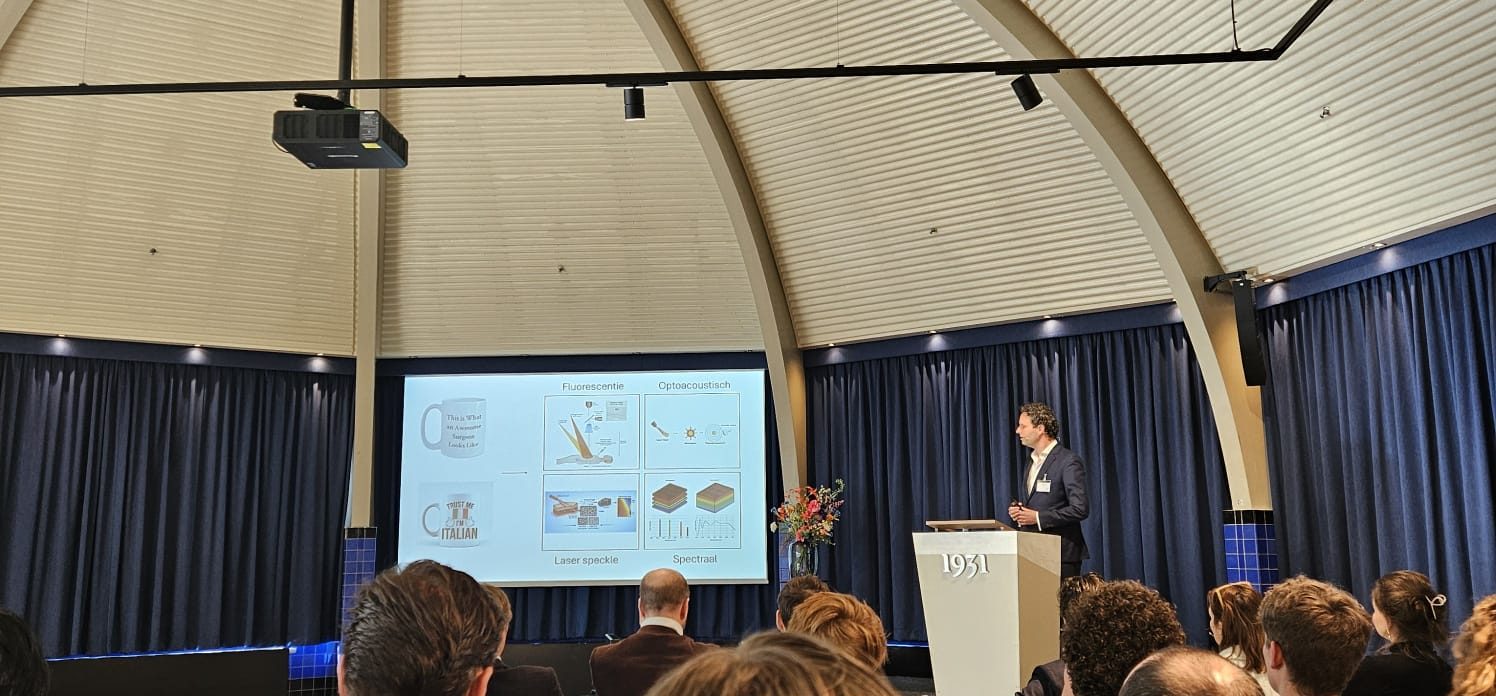
In fluorescence-guided surgery, a clear transition is underway from qualitative to quantitative assessment of perfusion.
A recently published study presented by Joost van der Vorst demonstrated an important step forward in this direction. The work on quantitative fluorescence imaging for perfusion assessment showed that normalization of fluorescence signals can reduce variability between camera systems and measurement conditions, enabling more consistent and comparable quantitative readouts.
A further highlight was the winning pitch by Britt Sticker, focusing on objective perfusion assessment using quantitative indocyanine green (ICG) analysis combined with AI support for anastomotic decision-making, with the aim of reducing anastomotic leakage.
The use of ICG for intraoperative perfusion assessment is steadily increasing. Through our upcoming e-learning, we aim to support this growing adoption and facilitate knowledge transfer into clinical practice.

It was particularly encouraging to see fluorescence-guided techniques increasingly integrated into routine clinical workflows.
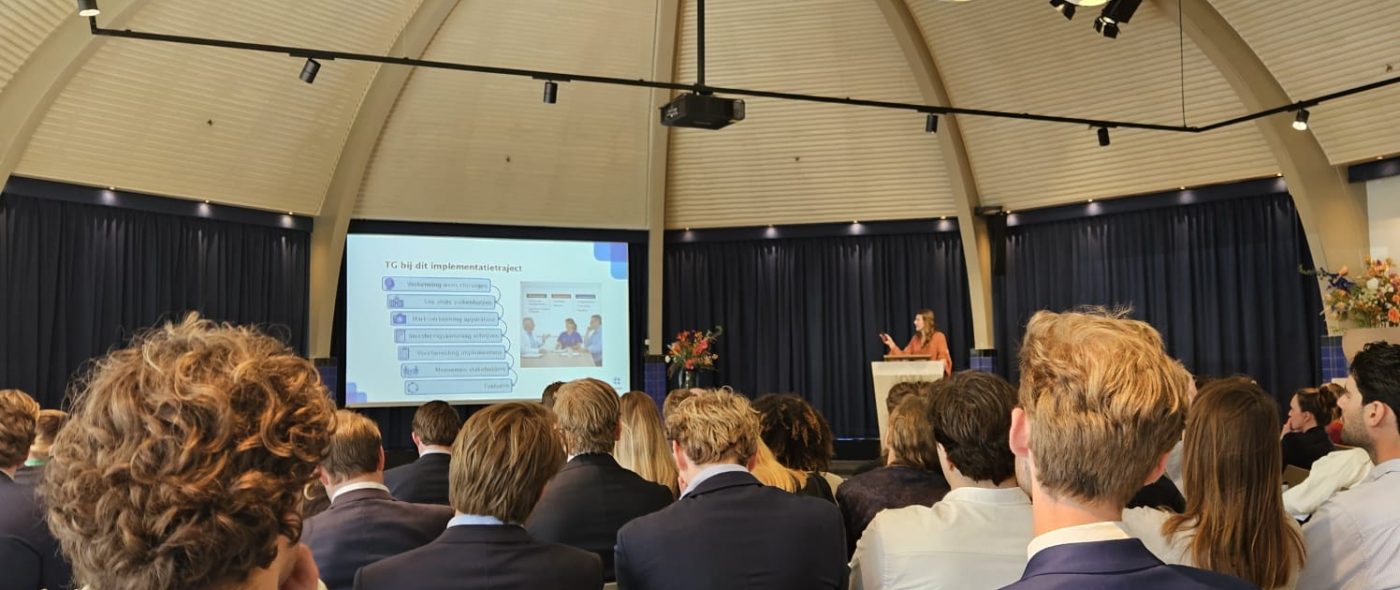
The presentation by Jessie Rijntjes (Technical Physician, Rijnstate) illustrated how ICG use in Sentinel Lymph Node Biopsy is steadily becoming standard practice in daily surgical care. Great to see this shift.
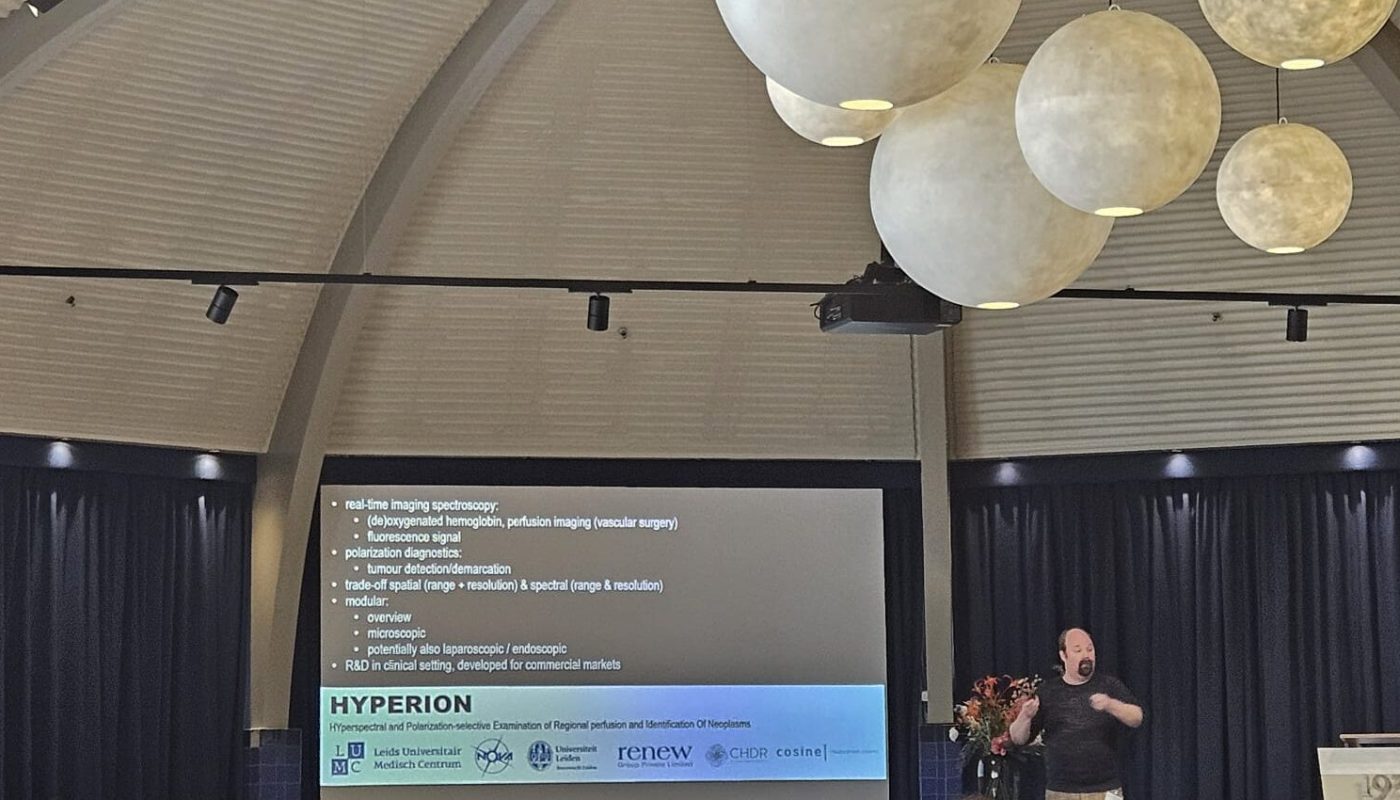
Frans Snik offered a fascinating perspective on detecting life beyond Earth using polarization and telescopy — showing how technologies from entirely different fields can find their way into the operating room. It put the day into a broader perspective and formed an inspiring closing note, and a clear reminder of the power of out-of-the-box thinking.
This vision comes to life in the Hyperion project, where astronomers and surgeons work side by side to bring polarization imaging into surgery — improving tissue differentiation and supporting intraoperative decision-making. A great example of how cross-disciplinary collaboration can drive real clinical impact.
👉 Explore our (online) training programme, or get in touch for tailored support.