Indocyanine green fluorescence angiography (ICGFA) is rapidly transforming colorectal surgery by enhancing intraoperative visualisation and significantly reducing anastomotic leak rates. 🧪
This blog explores how ICGFA is reshaping surgical decision‐making and improving patient outcomes, heralding a new era of precision and safety in colorectal procedures. 🎯
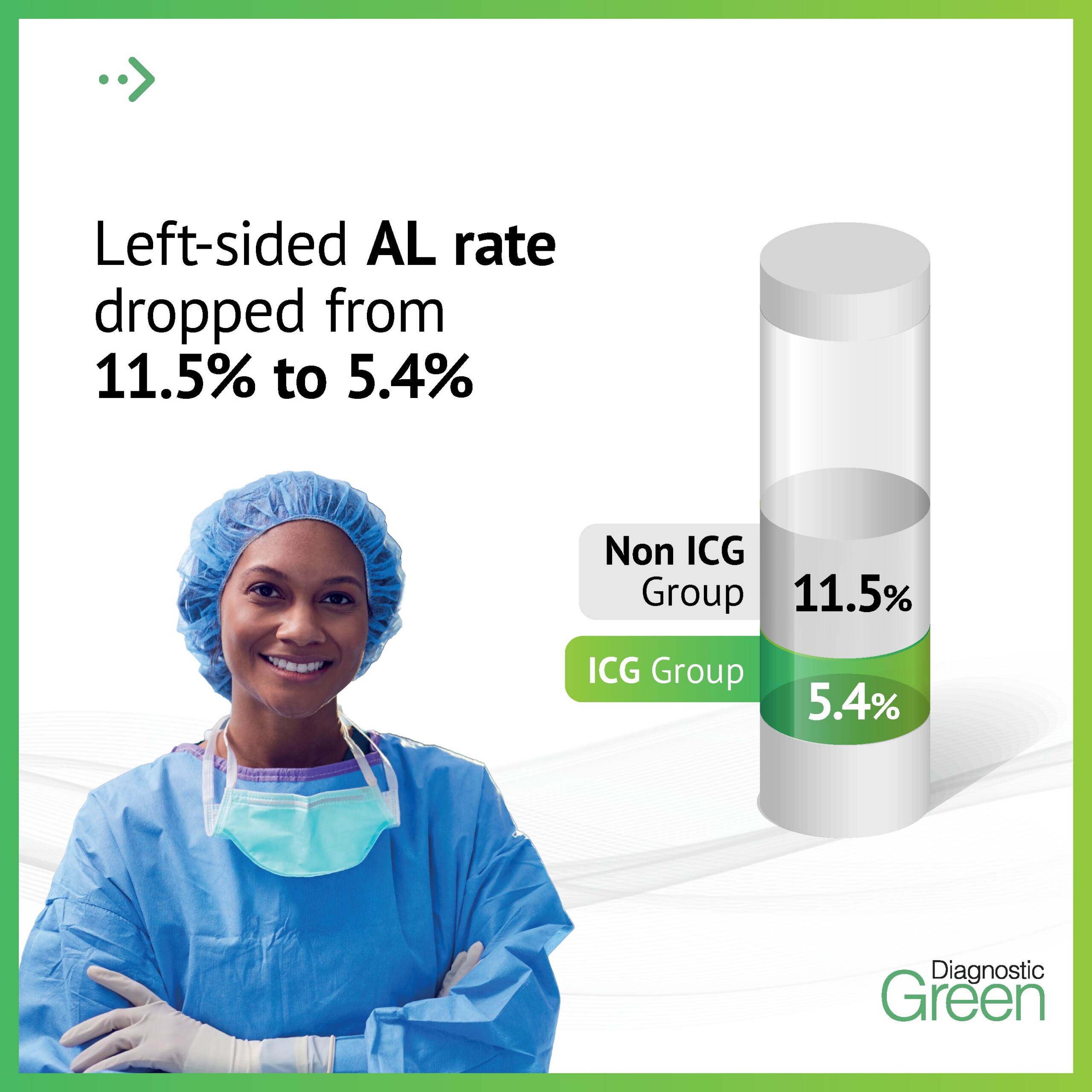
There has been multiple studies investigating the applicability and effectiveness of ICGFA in colorectal surgery. In 2024 this led to a large (n=931) multicentre study: the AVOID trial. In this study, patients who underwent Fluorescence Guided Bowel Anastomosis (FGBA) experienced an anastomotic leak (AL) rate of 8% in left-sided resections, compared to 13% in the conventional group. In rectosigmoid resections: AL decreased from 15% to 9%. This study concluded: “However, based on the results of this trial and those of previous studies, including EssentiAL, we would advocate for the integration of ICG NIR fluorescence imaging into surgical guidelines for patients undergoing rectosigmoid resections for cancer.” 💡For all the AVOID trial study results, click here.
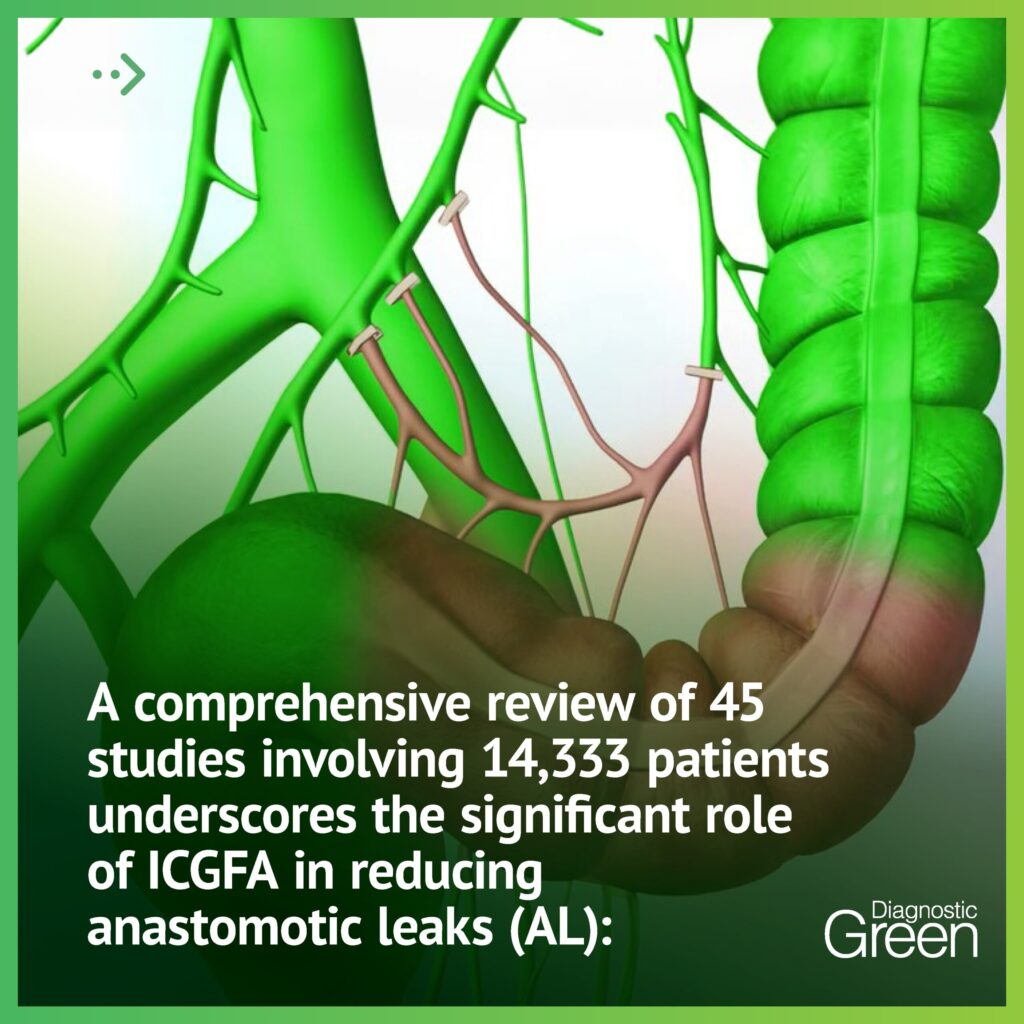
Now this powerful systematic review and meta-analysis once again demonstrates the positive effect of ICGFA in colorectal resections. This study describes existing evidence until 2024 supporting ICGFA use in colorectal surgery, particularly regarding impact on intraoperative decisions.🚦In total 45 studies were included comprising 14,333 patients, including 7 randomised controlled trials (2911 patients).
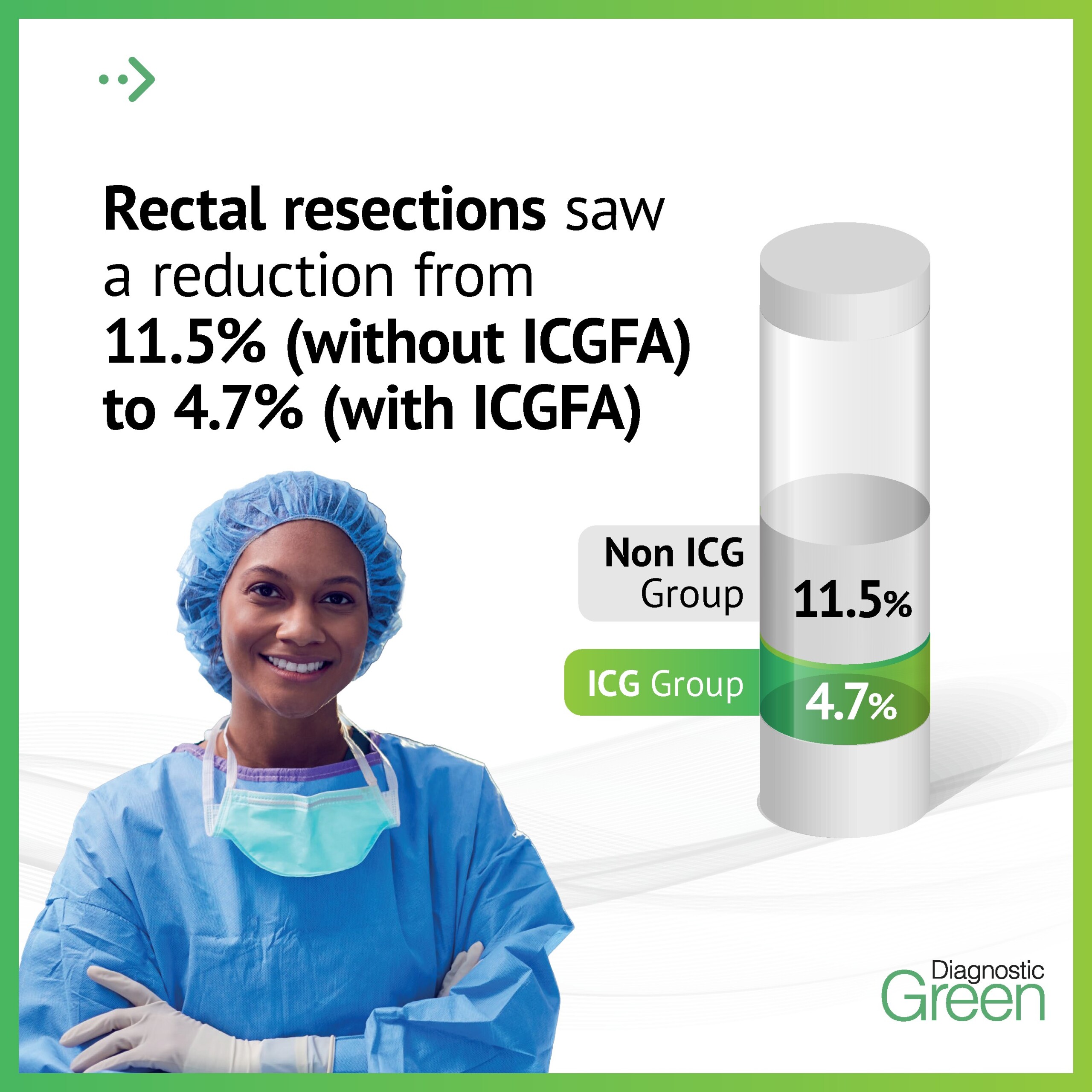
Besides AL rates, the effect of NIR fluorescence imaging on decision-making was investigated. In 8,4% of cases, ICGFA led to a change in surgical plan (data from 34 studies). Interestingly, leak rates overall were 3.7% when ICGFA matched surgeon’s judgement versus 5.7% when it prompted a change, and 7.7% without its use. In rectal resections, these figures were 5%, 8.8% and 12.0%, respectively.
ICG fluorescence imgaging appears to be most beneficial when confirming the surgeon’s judgment to improve patient outcomes. 🏆
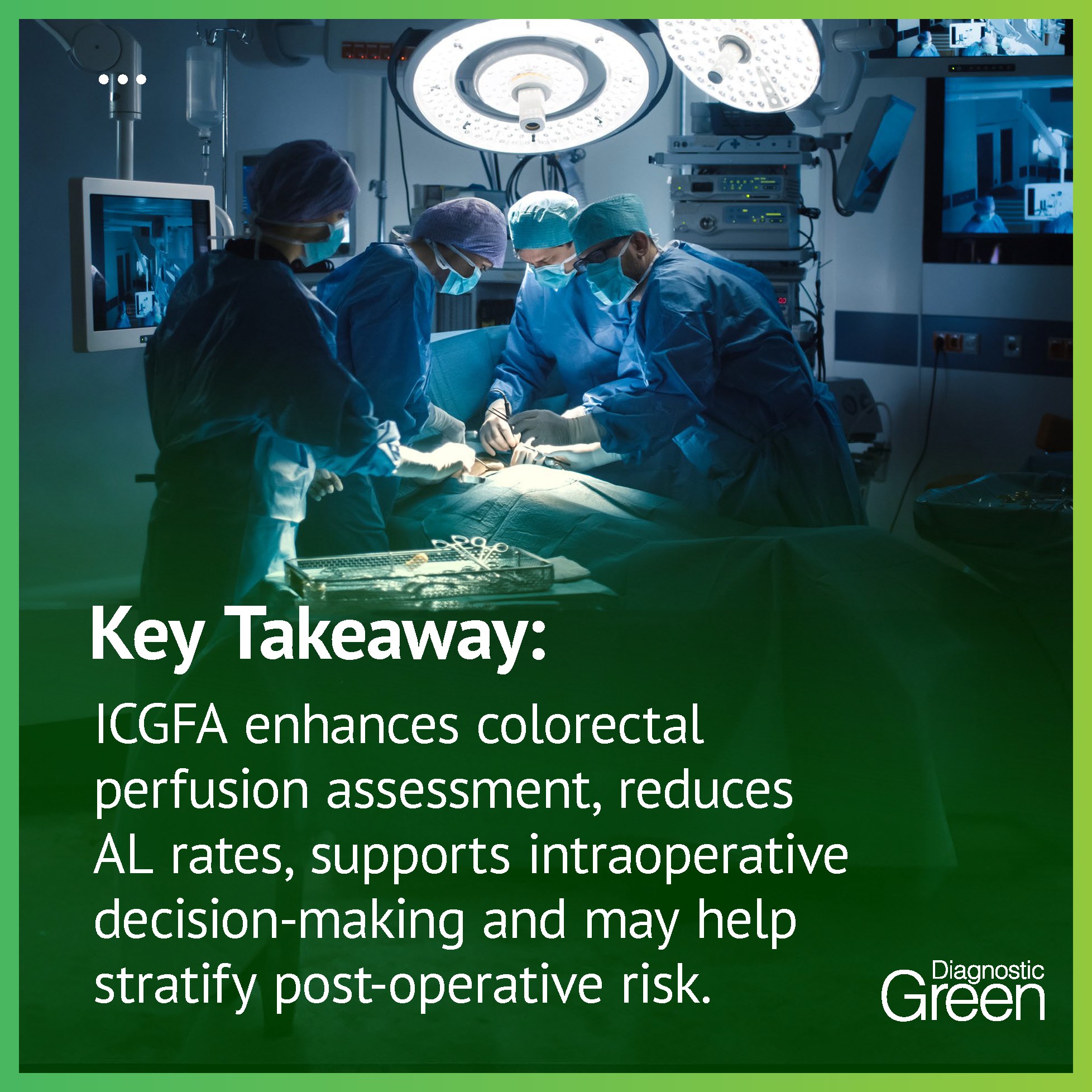
This research consolidates mutiple studies with large number of patients. The evidence is convincing: ICGFA positively impacts colorectal surgeries by reducing AL rates, supporting intraoperative decision-making and may help stratify post-operative risk.⚕️
Now we are ready for the next step: incorporating this procedure in (international) guidelines and beginning to educate medical professionals through our soon-to-be available e-learning!
Stay at the forefront of surgical innovation – keep an eye on our website and follow our updates on LinkedIn to stay up to date with these exciting insights and developments!
💬 Join the conversation and share your views on this groundbreaking technology. How is ICGFA being implemented in your hospital? What hurdles have you faced, and what support would help drive adoption forward❓⬇️